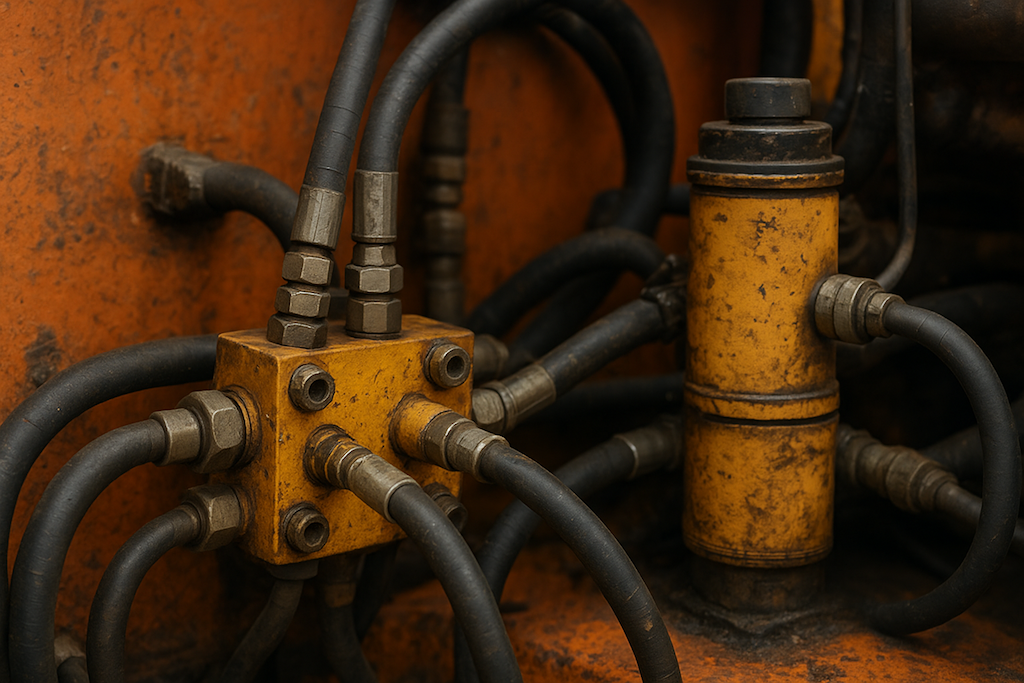
Hydraulic systems can easily be referred to as the engine of industry because they power everything ranging from construction vehicles to manufacturing equipment. Since these systems rely on pressurized fluids to deliver enormous amounts of forces, they can handle tough operations easily.
To achieve optimal functionality, however, these systems must be well maintained because if this does not happen, they can become inefficient and pose safety hazards or risks if not taken to for repairs when showing these indicative signs. Here are five signs that your hydraulic system requires professional repairs.
1. Lower Power or Performance
Power loss – this can be easily identified if you notice your equipment underperforming when it comes to hoisting loads that were previously easily lifted, or if it’s performing with lower forces compared to before. It can result from internal leakage, worn-out pumps, or faulty relief valves that need to be checked and repaired or replaced to prevent your equipment’s efficiency from going downward.
2. Unusual Noises
The hydraulic system runs efficiently with minimal noise. It becomes apparent when there’s unusual sound production, like whining or squeaking noises; therefore, it’s evident that there’s something amiss with your hydraulic system when this happens. Whining sounds can mean that there’s cavitation going on in your system or not enough fluid reaching your pump. Noise production could mean that there’s air inside your system, or something could be faulty.
3. Visible Leaks
Fluid leaks are problems that need serious considerations when it comes to hydraulic systems. Although a drip may seem insignificant at first, it can cause considerable loss of fluid if left unattended. Losses of fluid could occur due to torn hoses, worn-out seals, or loose fittings. In addition to posing safety hazards and system inefficiencies due to wasted fluid pressure output, fluid leakage can also cost money. It can easily pay for itself with periodic checks for any signs of visible fluid leakage.
4. Overheating
Too much heat can prove to be destructive within a hydraulic system. If the temperature inside a hydraulic system goes beyond the normal range of 180°F (82°C), it can lead to damage to the hydraulic system’s fluid. Heat within a hydraulic system can arise from low fluid level positions, clogged filters, or when too much work is being done with minimal stress on the hydraulic system. It is important to consult hydraulic repair services when your hydraulic system feels abnormally hot or if your temperature gauge shows readings beyond the normal range.
5. Slow or Jerky Operation
Effortless and fluid motion can only occur when a hydraulic system is functioning properly. It can mean that there’s a problem if your equipment starts moving slower or if it becomes erratic and jerky in motion. These problems can originate from air pockets within your hydraulic fluid or perhaps contamination of your hydraulic fluid with other fluids or debris that can clog your hydraulic system.
Maintaining Your Equipment’s Health
By keeping watch for these five indicators: loss of power, unusual sounds, observable leaks, overheating, and sluggish performances, you can identify potential problems with your hydraulic systems before you find yourselves facing catastrophic failures. The only foolproof method to keep your equipment running at optimal performances safely and efficiently is to pay heed to these alerts before they develop into major problems.
